
1. What is a Plan of Conservation & Development (POCD)?
A Plan of Conservation and Development (POCD) is a guidance document that sets goals, policies, and priorities for investing in the physical, economic, environmental, and social future of a community. Connecticut state regulations require every municipality to adopt a POCD. In other states, this type of document is commonly referred to as a Master Plan or Comprehensive Plan.
2. Does the City already have a POCD? Why is a new one being developed?
The City’s current POCD was adopted in 2017. State regulations require municipalities to review their existing POCD and adopt an amended or new POCD at least every 10 years. Besides the City needing to meet this statutory requirement of the state, it is now an opportune time to plan for West Haven’s future over the next decade and create a new POCD.
3. What topics can a POCD address? What does a POCD actually “do”?
A POCD can address a wide range of topics and/or geographic areas of importance to residents and other stakeholders. A POCD can provide an overall vision for a place and identify key priorities and strategies toward achieving the vision. A POCD can provide direction for the City in terms of making capital investments and revising or creating new zoning regulations. Concept plans and other visuals within a POCD can demonstrate hoped-for outcomes and generate support for certain projects. A new POCD for West Haven can provide a fresh vision for topics and areas such as, but not limited to, redevelopment, beautifying the beach and improving the beachfront, pedestrian safety and bicycle accommodations, collaborating with Yale West and UNH, and rethinking Route 1.
4. How will the POCD process relate with the Downtown Municipal Development Plan?
The two processes will be coordinated. The outcomes of the Downtown Municipal Development Plan (DMDP) will be reviewed for connections to POCD topics and Town-wide issues. Furthermore, the goals and principles of the completed DMDP will be integrated into the POCD.
5. Who will be involved in creating the POCD? Where will the key topics and “vision” come from?
You. There are various ways in which you can participate in the planning process based on your interest, availability, and preferences.
- First, to stay informed, visit www.planwesthaven.com. Subscribe to the site to receive periodic e-mails when the site has been updated with new information. As the planning process moves ahead, interim products and drafts of the POCD will be posted on the site for review and comment. Also, the website will be enhanced with additional features, as needed.
- Second, through several public events (workshops, open houses, etc.) and a citywide survey, you will have the opportunity to provide comments, opinions, and ideas on specific topics and help set priorities.
- Third, please spread the word about this planning process and www.planwesthaven.com with your neighbors!
The Steering Committee. A POCD Steering Committee comprised of residents, local officials, and other community stakeholders will be convened. The Steering Committee will meet with the City and its consultant team throughout the planning process. The Steering Committee will advise on topics such as public outreach and engagement, reaching local institutions and community organizations, identifying challenges and opportunities, and helping guide priorities.
The Consultant. Through a competitive request for proposal process, the City hired a consulting team led by the firm H&H to engage residents and other stakeholders. H&H’s work will be managed directly by the City’s Department of Planning & Development. During the initial stages of the project, H&H will review the 2017 POCD, examine demographic and economic changes and trends in the City and region since 2017, and tour West Haven to document their own observations of various parts of the City.
6. What is the timeline for completing the POCD? What happens after the POCD is adopted?
The Plan is expected to take approximately 12 months to complete. Ultimately, the City’s Planning & Zoning Commission is the body that has the authority to review and adopt the POCD. Once it is adopted, the POCD is a living document that should be periodically reviewed and maintained and, if necessary, revised or amended. Furthermore, the City may prepare more detailed or specific plans for certain districts or neighborhoods, should the need arise.
7. Does the state have rules on specific topics that a POCD must address?
State regulations contain a series of general requirements for the contents of POCDs, among them the following:
- A statement of policies, goals and standards for the physical and economic development of the municipality.
- Recommendations for the most desirable use of land within the municipality for residential, recreational, commercial, industrial and other purposes and including a map showing such proposed land uses.
- That recommendations are made with reasonable consideration for restoration and protection of the ecosystem and habitat of Long Island Sound.
State regulations also include a list of topics that POCDs may address, such as improvements to public facilities and planned implementation programs. In addition, the regulations stipulate administrative procedures regarding public noticing, agency approvals, and public hearings for POCDs.
8. How does the POCD relate to zoning?
While the POCD itself is not a regulatory document, it does have an important relationship with zoning regulations. Zoning regulations need to be consistent with the goals and policies in a community’s POCD. As such, zoning is an important tool for implementing a community’s POCD. The POCD itself can include recommendations for changing or creating new zoning regulations.


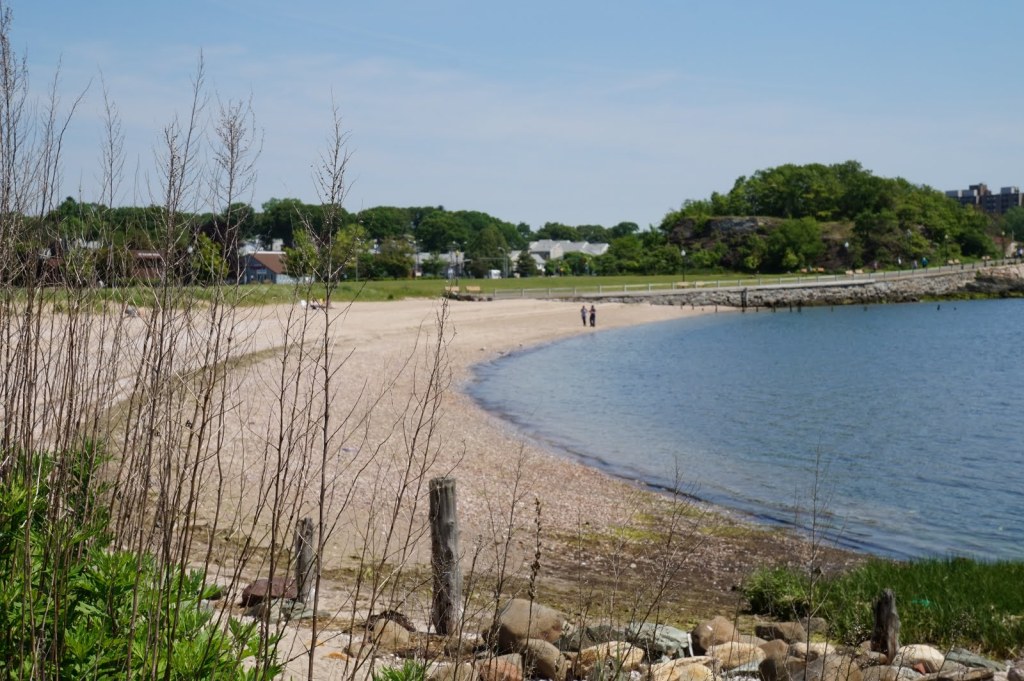
 West Haven, CT 2027 Plan of Conservation & Development